June 8, 2026
Modern agriculture supports far more than individual farms. It influences employment, local commerce, food access, and the long-term stability of rural communities. When agricultural operations remain productive and dependable, nearby businesses, schools, and service providers often benefit as well. One of the most important contributors to that stability is reliable water management.
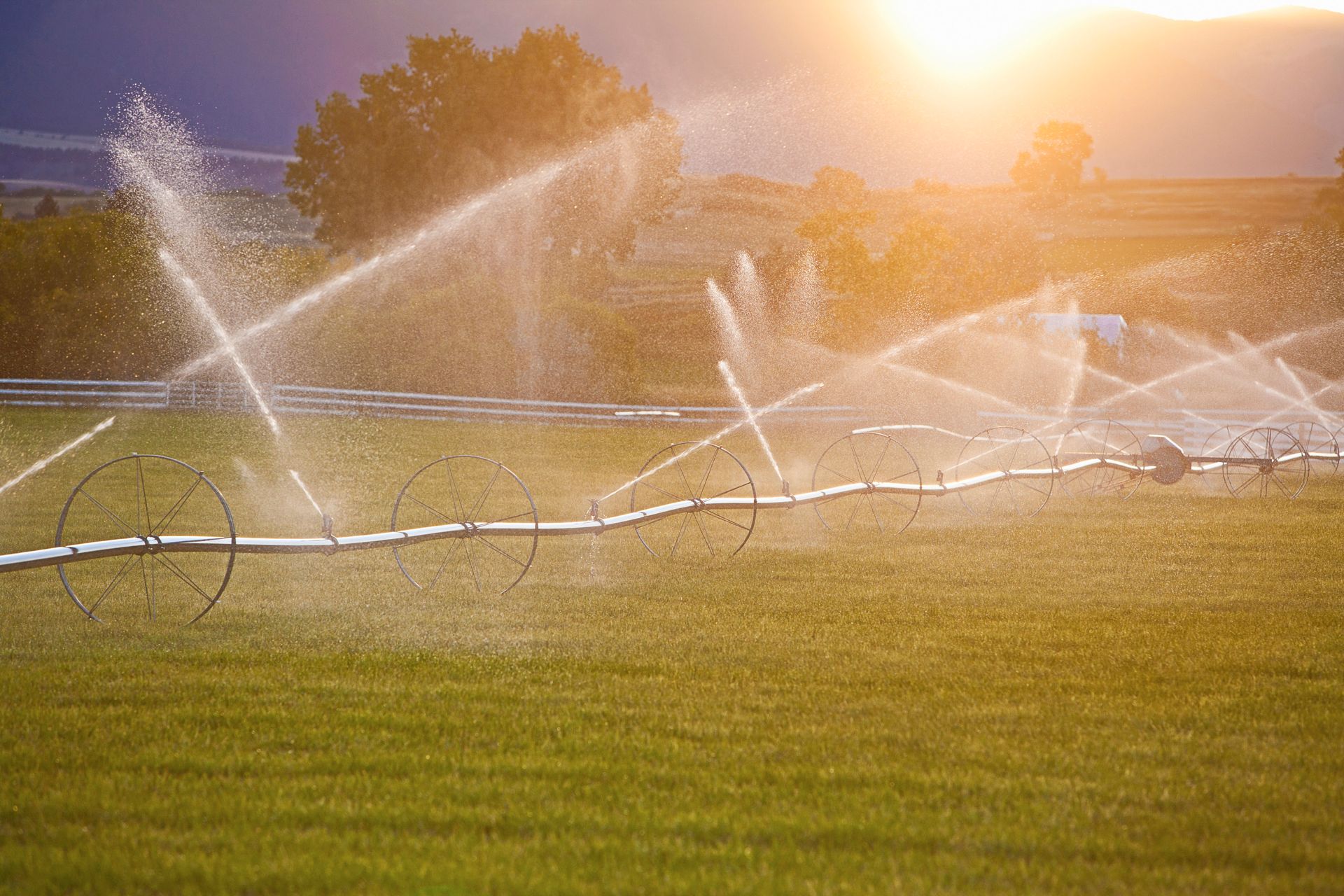
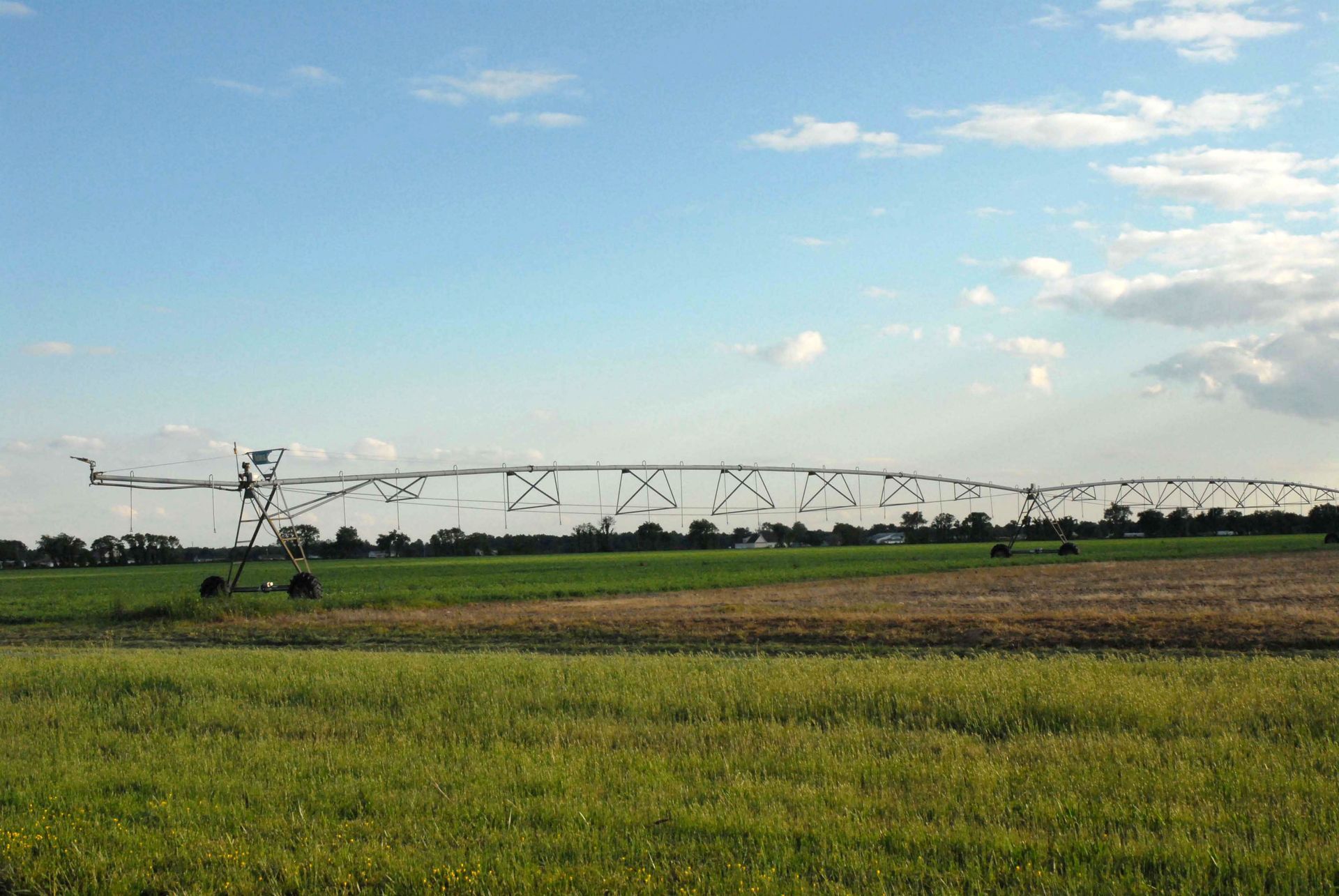
Strong irrigation practices help growers maintain healthier crops during changing weather conditions and periods of inconsistent rainfall. In many farming regions, dependable water distribution creates a foundation for consistent harvests and stronger economic performance throughout the surrounding area.
High-quality farm irrigation systems support both agricultural success and broader community development by helping farms operate more efficiently and sustainably. In fact, according to the U.S. Department of Agriculture, farms using some level of irrigation generated more than 50% of the overall value of crop sales in the United States. This demonstrates how critical proper water access is to agricultural productivity and regional economic activity.
How Reliable Water Access Supports Local Economies
Stable Crop Production Strengthens Rural Businesses
Agricultural communities often depend on the success of local farms to maintain economic momentum. When crops perform well, growers are more likely to invest in supplies, equipment, transportation, labor, and additional services throughout the area. This creates a ripple effect that benefits many different industries connected to agriculture.
Reliable farm irrigation helps reduce the risks associated with drought conditions and uneven rainfall. When crops receive consistent moisture throughout the growing season, farmers can better protect yields and maintain production schedules. More dependable harvests often lead to steadier income, which supports spending within the local economy.
Businesses that provide fuel, seed, fertilizer, maintenance, and transportation frequently experience stronger demand when farming operations remain productive. Restaurants, retailers, and other community establishments may also benefit from increased economic activity tied to successful agricultural seasons.
Agricultural Employment Becomes More Consistent
Farming operations create employment opportunities that extend well beyond planting and harvesting. Equipment operators, mechanics, truck drivers, grain handlers, and seasonal laborers all contribute to agricultural production. When water management systems support healthy crop development, farms are often better positioned to maintain consistent staffing levels.
Reliable farm irrigation systems can help growers avoid severe production losses that may otherwise reduce labor needs during difficult growing seasons. This stability supports household income for workers and contributes to a stronger local workforce overall.
Communities with dependable agricultural employment often experience greater financial circulation within the region. Workers spend money on housing, groceries, transportation, and local services, helping businesses remain active throughout the year.
Productive Farms Help Support Public Resources
Thriving agricultural regions can also contribute to stronger public infrastructure and community services. When farms remain profitable, they contribute to the tax base that supports schools, emergency services, roads, and other public resources.
Consistent agricultural activity may encourage additional investment in transportation networks and storage facilities as well. Communities that maintain strong farming economies are often better equipped to attract related industries and support future growth.
Strong agricultural performance can also help communities maintain important local services. When farms remain productive and financially stable, towns are often better positioned to support public programs, maintain facilities, and invest in community improvements that benefit residents.
Why Efficient Irrigation Practices Matter for Long-Term Growth
Water Management Helps Preserve Agricultural Land
Maintaining productive farmland requires careful resource management over time. Poor water distribution can contribute to soil erosion, uneven crop development, and unnecessary waste. High-quality irrigation systems help deliver water more evenly across fields, supporting healthier growing conditions while reducing excessive runoff.
Properly managed farm irrigation practices may also help preserve soil quality for future planting seasons. When growers can control moisture levels more effectively, they are often better positioned to avoid stress on crops and maintain consistent field performance year after year.
Long-term agricultural sustainability is important for communities that depend heavily on farming activity. Productive farmland supports employment opportunities, food production, and local commerce across generations.
Dependable Systems Reduce Operational Interruptions
Unexpected irrigation failures can create significant setbacks during critical growing periods. Delays in watering schedules may impact crop quality and place additional pressure on farming operations already managing weather-related challenges.
High-quality equipment and responsive service support can help reduce downtime and improve operational reliability. Farmers often rely on experienced irrigation suppliers that understand regional growing conditions and can provide timely assistance when problems arise.
Access to dependable service is especially important during peak agricultural seasons when every day can influence crop performance. Fast repairs and consistent system operation help farms stay on schedule and avoid unnecessary disruptions.
Flexible Irrigation Solutions Benefit Different Farm Sizes
Agricultural operations vary significantly in acreage, crop type, and production goals. Some farms require large-scale systems that cover extensive fields, while others need more specialized setups tailored to unique layouts or growing conditions.
Versatile farm irrigation options allow growers to select systems that align with their operational needs and available resources. Financing opportunities can also make high-quality equipment more accessible for farms working within strict budgets.
Communities benefit when farms of different sizes can continue operating successfully. Supporting a broad agricultural base helps maintain diversity within the local economy and reduces dependence on a limited number of producers.
How Strong Agricultural Infrastructure Benefits Communities
Reliable Harvests Help Maintain Food Supply Chains
Agricultural productivity influences food availability at both regional and national levels. Farms that consistently produce healthy crops contribute to more dependable supply chains for processors, distributors, and retailers.
Effective farm irrigation plays an important role in helping growers meet production demands despite fluctuating weather conditions. Reliable water access can support more predictable harvest schedules and improve crop consistency throughout the season.
Stable agricultural output benefits consumers as well as businesses connected to food production and distribution. Communities with strong farming infrastructure often play a key role in supporting broader economic networks tied to agriculture.
Agricultural Investment Encourages Community Development
When farming operations remain productive over time, communities may experience additional economic development opportunities. Agricultural success can encourage investment in grain handling facilities, storage buildings, transportation systems, and other infrastructures that support regional growth.
New construction projects and expanded agricultural services may create additional jobs and strengthen business activity throughout the area. These developments can help rural communities remain competitive and economically active.
Family-owned agricultural businesses also contribute to local identity and long-term community stability. Farms that continue operating across generations often support schools, civic organizations, and local traditions that help communities maintain strong connections.
Strong Irrigation Partnerships Build Long-Term Confidence
Farmers often depend on trusted equipment suppliers and service providers to help maintain efficient operations. Experienced farm irrigation professionals understand the importance of responsive support, reliable equipment, and practical solutions designed for local growing conditions.
Strong partnerships between growers and irrigation suppliers help create greater confidence during challenging seasons. Farmers who have access to dependable equipment and knowledgeable support are often better prepared to manage changing environmental conditions and maintain productivity.
This confidence can encourage continued investment in agricultural operations and support long-term planning for future growth. Communities benefit when local farms remain stable, productive, and prepared for evolving challenges.
High-quality irrigation systems do more than support individual crop performance. They help sustain employment, strengthen local businesses, and contribute to the overall stability of agricultural communities. Reliable water management supports healthier harvests, stronger economic activity, and more dependable food production across farming regions.
As agricultural demands continue to evolve, dependable irrigation solutions remain an essential part of long-term community growth. Farms that can manage water effectively are often better positioned to maintain productivity, support local economies, and contribute to the success of future generations. To learn more about the benefits of high-quality farm irrigation, reach out to Perfect Circle Irrigation!