April 10, 2026
Selecting the right irrigation system is a critical decision that directly impacts crop health, yield consistency, and long-term operational efficiency. Modern agriculture relies heavily on advanced farm irrigation equipment to manage water resources effectively and respond to changing environmental conditions. According to MordorIntelligence, the agricultural irrigation machinery market is estimated to grow from USD 8.01 billion in 2026 to USD 10.39 billion by 2031, reflecting the increasing demand for efficient and scalable solutions. This growth highlights the importance of choosing systems that align with both current needs and future expansion. With a wide range of technologies available, understanding key selection factors helps farmers make informed, strategic investments. Properly selected equipment not only supports productivity but also contributes to sustainability and cost management.
Understanding Water Requirements and Crop Needs
Every farm has unique water requirements based on crop type, soil composition, and climate conditions. Choosing the right farm irrigation equipment begins with a clear understanding of how much water your crops need and when they need it. Different crops have varying tolerance levels for moisture, and improper irrigation can lead to reduced yields or crop stress. Professional irrigation specialists assess these factors to recommend systems that deliver precise and consistent water distribution. This level of customization ensures that crops receive the right amount of water without waste. By aligning irrigation strategies with crop needs, farmers can maximize both productivity and resource efficiency.
Evaluating Soil Conditions and Field Layout
Soil type and field layout play a significant role in determining the effectiveness of irrigation systems. Sandy soils, for example, drain quickly and may require more frequent watering, while clay soils retain moisture for longer periods. The right farm irrigation equipment must account for these differences to prevent overwatering or runoff. Field size, slope, and shape also influence how water is distributed across the land. Professional evaluation of these elements ensures that irrigation systems are designed for optimal coverage and efficiency. Proper alignment between equipment and field conditions reduces water loss and enhances overall performance.
Comparing Irrigation System Types and Technologies
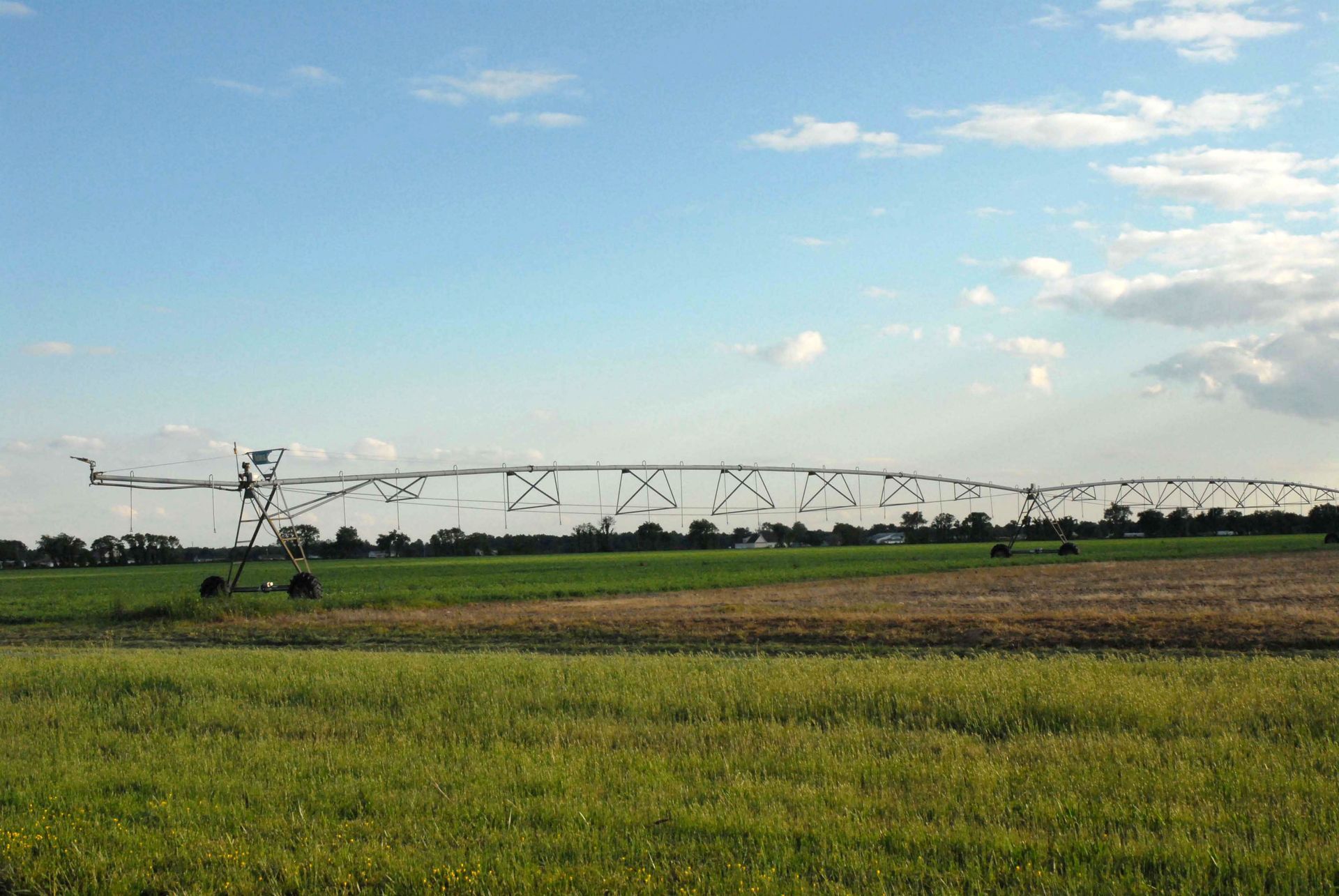
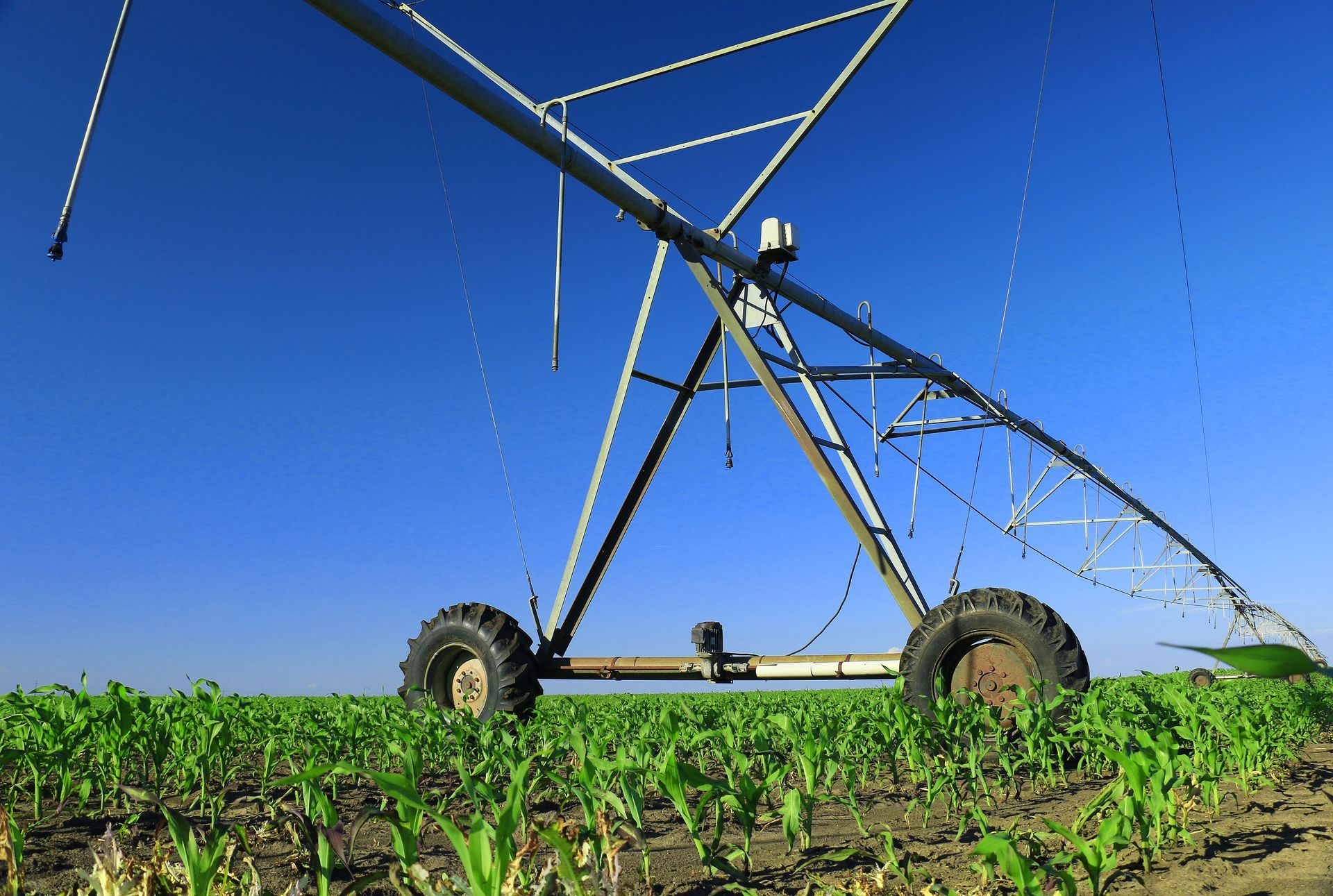
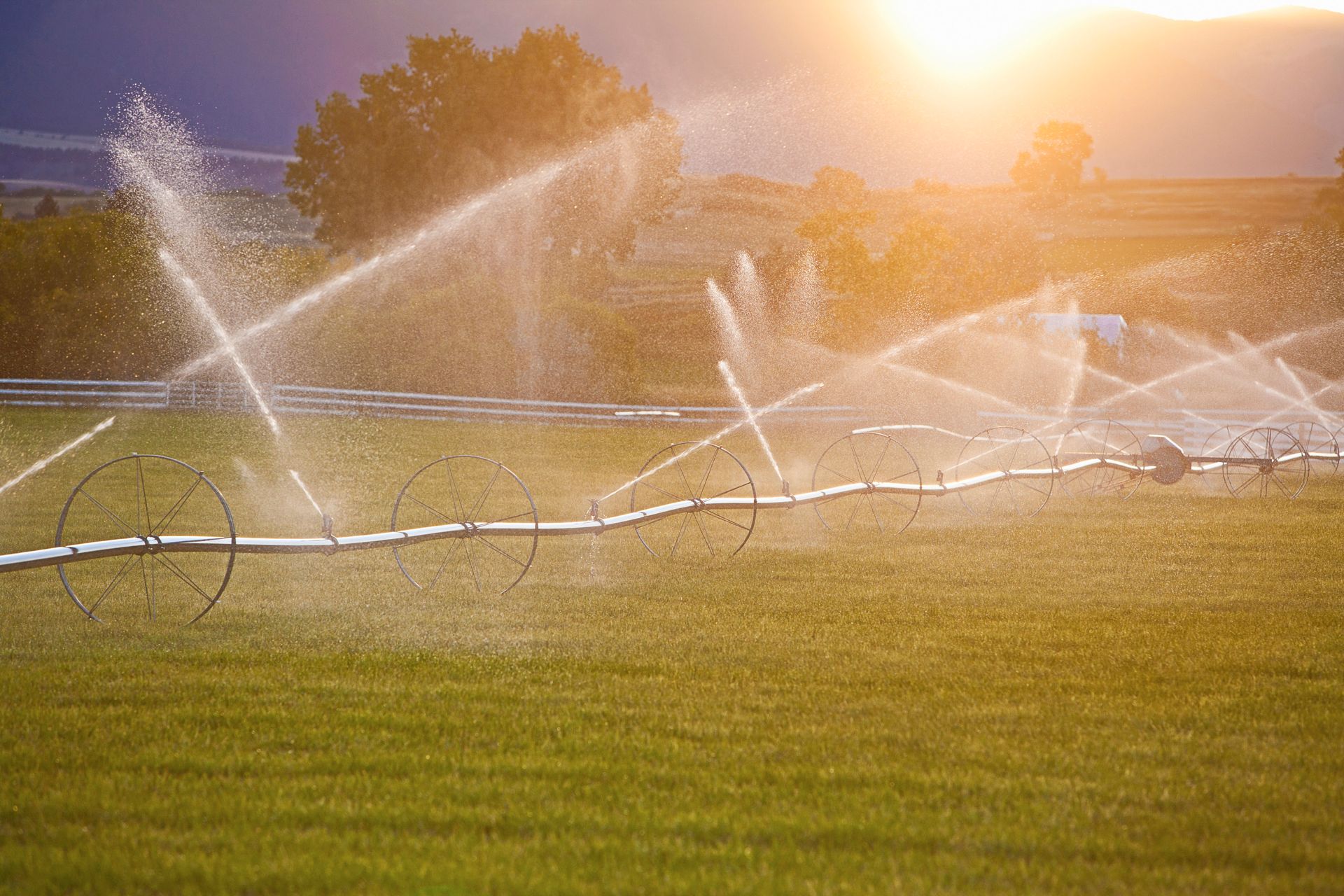
There are several types of irrigation systems available, each offering distinct advantages depending on the application. Drip irrigation systems deliver water directly to the root zone, minimizing evaporation and maximizing efficiency. Sprinkler systems provide broader coverage and are suitable for a wide range of crops and field sizes. Center pivot systems are commonly used for large-scale operations, offering automated and uniform watering. Selecting the appropriate farm irrigation equipment requires a thorough comparison of these technologies and their suitability for your specific operation. Professional guidance ensures that the chosen system aligns with both operational goals and environmental conditions. This informed decision-making process helps farmers achieve reliable and efficient irrigation outcomes.
Considering Efficiency and Water Conservation
Water conservation is a growing concern in agriculture, making efficiency a top priority when selecting irrigation systems. High-quality farm irrigation equipment is designed to minimize water waste while delivering consistent results. Advanced technologies such as moisture sensors and automated controls allow for precise water application, reducing unnecessary usage. Efficient systems not only conserve water but also lower operational costs by reducing energy consumption. Professional installation and calibration ensure that these systems operate at peak efficiency. By prioritizing water conservation, farmers can support sustainable practices while maintaining high productivity levels.
Assessing Durability and Equipment Longevity
Durability is an essential factor when investing in irrigation systems, as agricultural equipment must withstand harsh environmental conditions. High-quality farm irrigation equipment is constructed from materials designed to resist corrosion, wear, and exposure to the elements. Selecting durable components ensures that the system remains reliable over time, reducing the need for frequent repairs or replacements. Professional suppliers provide access to equipment that meets industry standards for performance and longevity. Additionally, proper installation and maintenance contribute to extending the lifespan of the system. Investing in durable equipment provides long-term value and operational stability.
Analyzing Installation Requirements and Professional Support
The installation process is a critical component of any irrigation system, requiring expertise and precision to ensure optimal performance. Professional installation of farm irrigation equipment ensures that all components are correctly positioned and integrated into the existing infrastructure. Improper installation can lead to inefficiencies, water loss, and system malfunctions. Experienced technicians assess site conditions and implement solutions that maximize coverage and efficiency. Ongoing support from professionals also ensures that the system continues to perform as expected over time. Access to expert guidance simplifies the process and enhances overall system reliability.
Reviewing Cost Considerations and Long-Term Value
Cost is an important factor when selecting irrigation systems, but it should be evaluated in terms of long-term value rather than initial expense. High-quality farm irrigation equipment may require a larger upfront investment, but it often delivers greater efficiency and durability. Lower-quality systems may lead to higher maintenance costs and reduced performance over time. Professional consultation helps farmers understand the total cost of ownership, including installation, operation, and maintenance. This comprehensive approach ensures that investments are aligned with both budget and performance goals. Prioritizing value over cost leads to more sustainable and profitable farming operations.
Ensuring Compatibility With Modern Farming Practices
Modern agriculture increasingly relies on technology to optimize efficiency and productivity. Selecting farm irrigation equipment that integrates with existing systems and technologies is essential for maximizing performance. Advanced irrigation systems can be connected to monitoring tools, allowing farmers to track water usage and system performance in real time. This integration supports data-driven decision-making and improves overall farm management. Professional providers ensure that equipment is compatible with current practices and scalable for future advancements. Embracing modern technology enhances operational efficiency and supports long-term growth.
Supporting Sustainable Agricultural Practices
Sustainability is a key consideration for today’s agricultural operations, influencing both environmental impact and long-term viability. The right farm irrigation equipment supports sustainable practices by reducing water waste and promoting efficient resource use. Systems designed for precision irrigation help maintain soil health and prevent erosion caused by overwatering. Professional guidance ensures that irrigation strategies align with environmental goals and regulatory requirements. By adopting sustainable solutions, farmers can improve productivity while protecting natural resources. This balanced approach benefits both the farm and the broader ecosystem.
Making Informed Decisions With Professional Guidance
Choosing the right irrigation system requires careful evaluation of multiple factors, from crop needs to technological capabilities. Professional expertise plays a vital role in guiding farmers through this decision-making process. Experienced providers assess individual requirements and recommend solutions that align with operational goals. This tailored approach ensures that farm irrigation equipment delivers consistent performance and long-term value. By relying on professional guidance, farmers can avoid common pitfalls and make confident, informed decisions. The result is a reliable irrigation system that supports both productivity and sustainability.
Selecting the right
farm irrigation equipment is essential for achieving efficient water management, consistent crop yields, and long-term operational success. From evaluating soil conditions to integrating advanced technologies, every decision contributes to the overall performance of your irrigation system. Investing in high-quality equipment and professional expertise ensures that your farm remains productive, sustainable, and prepared for future challenges.
At Perfect Circle Irrigation, we are committed to helping you choose the best farm irrigation equipment for your unique needs. Our team brings extensive experience, industry knowledge, and a dedication to delivering reliable, high-performance solutions. We work closely with you to ensure your irrigation system is designed for efficiency, durability, and long-term success. Contact Perfect Circle Irrigation today to learn how we can support your operation with expert guidance and dependable irrigation solutions tailored to your farm.